
The Leadership Shadow
How to Lead by Example in Your Nonprofit

The Leadership Shadow: How to Lead by Example in the Nonprofit World
Leadership isn’t just about a title or a corner office—it’s about your effect on your team and the culture you help create. That’s where the “Leadership Shadow” concept comes into play. It’s a simple idea: everything a leader does or says casts a lasting impression on others. Whether you’re a board member, volunteer coordinator, or the head of a large nonprofit, your daily decisions and interactions set the tone for how people behave and collaborate.
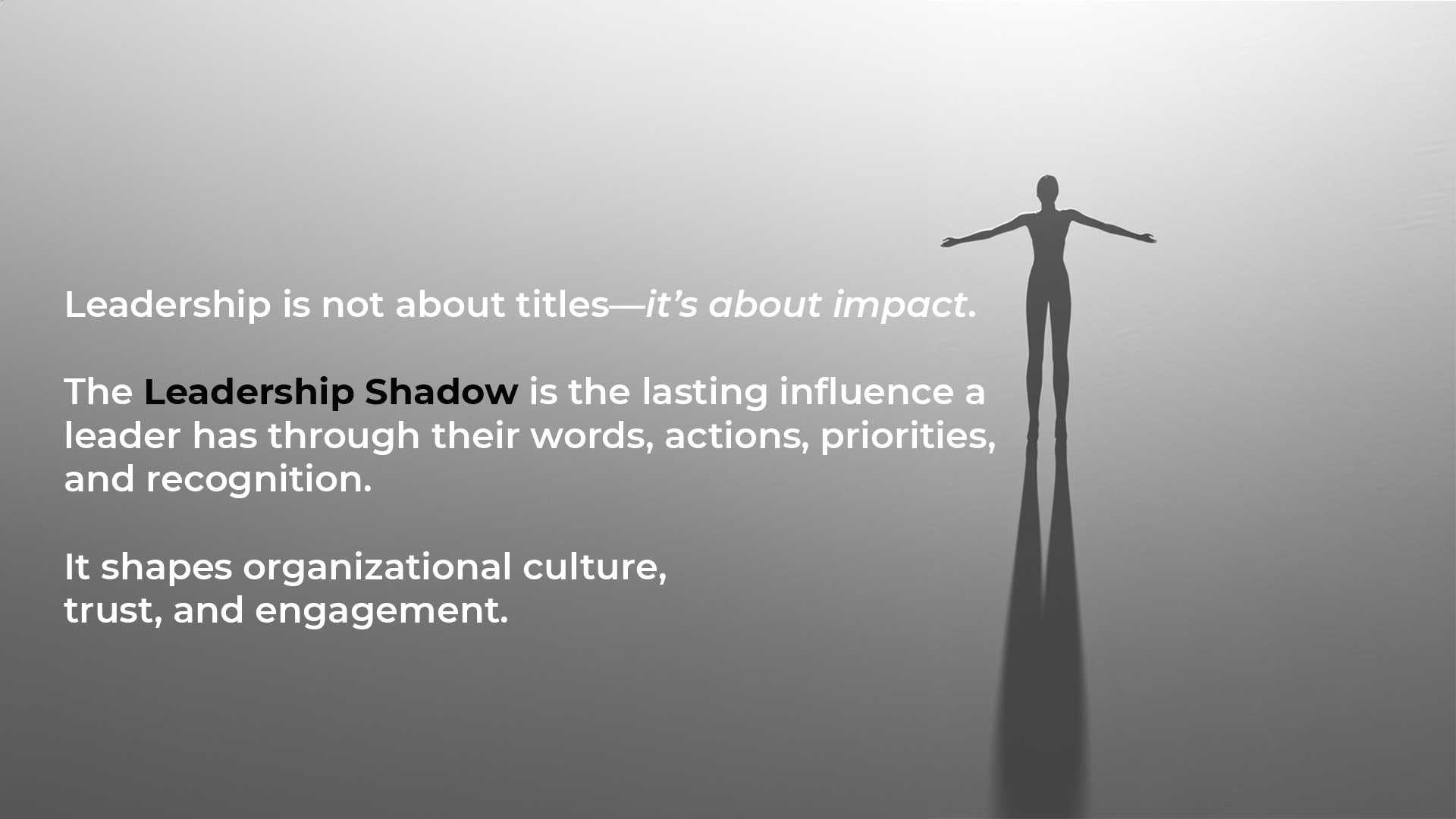
What Is the Leadership Shadow?
Think of your “Leadership Shadow” as the influence you exert through your words, actions, and priorities. When harnessed effectively, it inspires trust, clarity, and a sense of shared purpose. But if it’s misaligned—if you say one thing and do another—confusion, disengagement, and mistrust can creep into your organization. Recognizing the power of your influence is the first step toward using it well.

The Four Dimensions of the Leadership Shadow
To ensure you’re casting the kind of leadership shadow that uplifts your nonprofit’s mission, keep these four dimensions in mind:
What You Say
Your words shape expectations. Clear, respectful, and consistent communication fosters an environment where people feel heard and supported.
Strive to use language that reflects your nonprofit’s core values—such as inclusivity, integrity, or collaboration.
How You Act
Words matter, but actions speak volumes. When the going gets tough, your behavior under pressure becomes a blueprint for your team.
Show integrity by holding yourself accountable, being fair in your decisions, and staying transparent with your staff and volunteers.
What You Prioritize
If you say something is important but don’t give it the time or resources it needs, your team will notice the disconnect.
Align your focus with your organization’s goals, ensuring everyone understands the “why” behind your priorities.
What You Measure and Reward
Whether it’s volunteer hours, donor retention, or the success of a community program, what you track and celebrate tells people what your nonprofit truly values.
Recognize efforts that align with your mission, offer constructive feedback, and celebrate milestones to reinforce a positive culture.
Why the Leadership Shadow Matters
When you lead by example and keep these four dimensions top of mind, you nurture:
Trust and Respect: Teams perform better when they believe in their leaders and feel respected.
Clarity of Purpose: Everyone stays aligned with your nonprofit goals and understands their role in achieving them.
High Engagement: People want to contribute—and do so enthusiastically—when they see that leadership is dedicated and authentic.
On the flip side, a negative or inconsistent leadership approach can quickly lead to:
Disengagement and Confusion: Mixed messages and unclear priorities diminish motivation.
Eroded Trust: If leaders don’t walk the talk, it becomes hard for staff and volunteers to stay committed.
Your Leadership Responsibilities
No matter your specific role—whether you’re just starting or overseeing an entire organization—you have the power to shape the workplace culture. Here’s how:
Self-Reflection: Regularly take stock of the shadow you’re casting. Ask for feedback from peers or mentors to see what you could improve.
Alignment: Ensure your words, actions, and focus consistently mirror your nonprofit’s mission and values.
Mindfulness: Recognize how your behavior sets the tone and remember that every interaction can leave a lasting impression.
By embracing these principles of the Leadership Shadow, you can help create a supportive and energized community where every staff member, volunteer, and donor feels inspired to give their all. When leaders at every level commit to modeling the change, they want to see nonprofits become stronger, more resilient, and better equipped to fulfill their missions.